
 US
US
 UK
UK



What Is Cardstock?
A Complete Guide
Cardstock is not a normal piece of paper. It is sturdy, not as floppy as paper, and feels better than paper.

Emily Parker
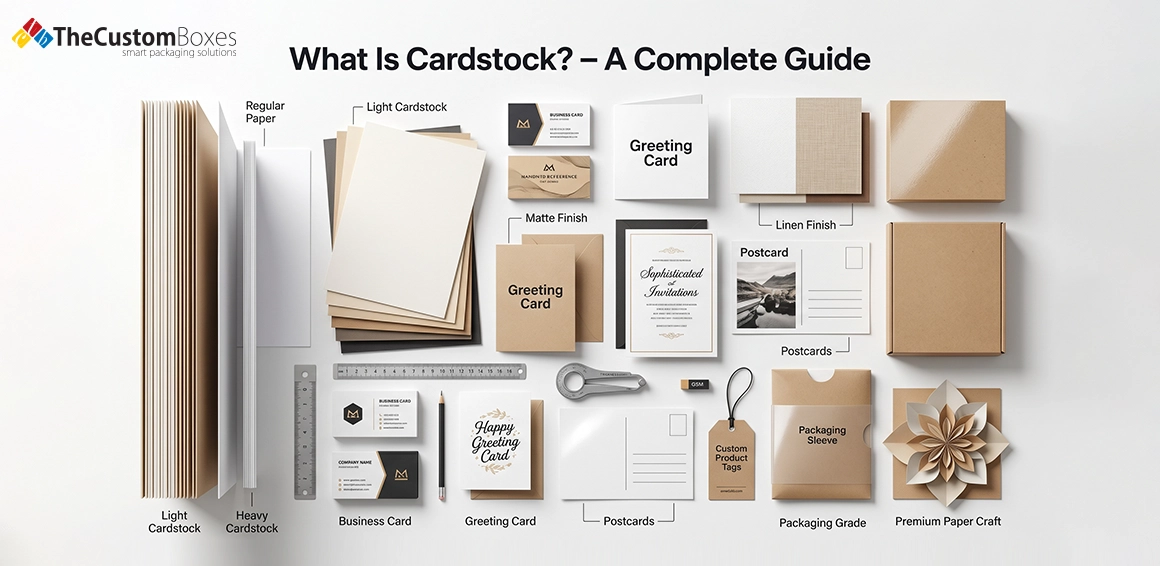
Cardstock is not a normal piece of paper. It is sturdy, not as floppy as paper, and feels better than paper. It is commonly used in Australia for printing and packaging because of its strength and appearance.
Pictures look smart when printed on boxes, and cards don't get damaged when handled. It is also not too flimsy, so this is why companies also use it for business cards, invitations, and packaging to make it look nice.
This article explains what cardstock is and the difference between cardstock and paper and their use and significance in printing and packaging in Australia.
Difference Between Cardstock and Paper
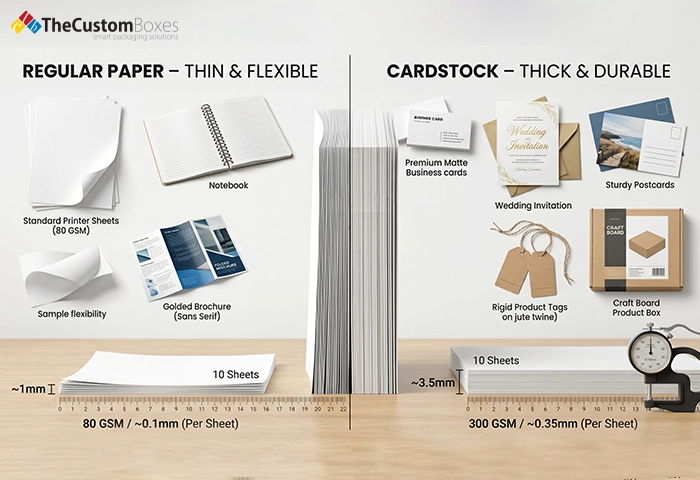
Regular paper feels thin and soft.
- It feels thick and firm.
- Normal paper bends very fast.
- It keeps its shape longer.
- This strong material works better for printing and packaging tasks.
Many people compare paper and cardstock before printing. Regular paper suits office work. It suits creative and business needs. It gives better support for designs and colours.
Common Uses in Everyday Applications
People use cardstock every day.
- Shops use it for tags and product labels.
- Schools use it for projects and artwork.
- Families use it for greeting cards and party invites.
- Many companies also use white cardstock for clean and modern prints.
- Restaurants use it for menus.
- Retail brands use it for hanging tags and display cards.


What is Cardstock in Printing?
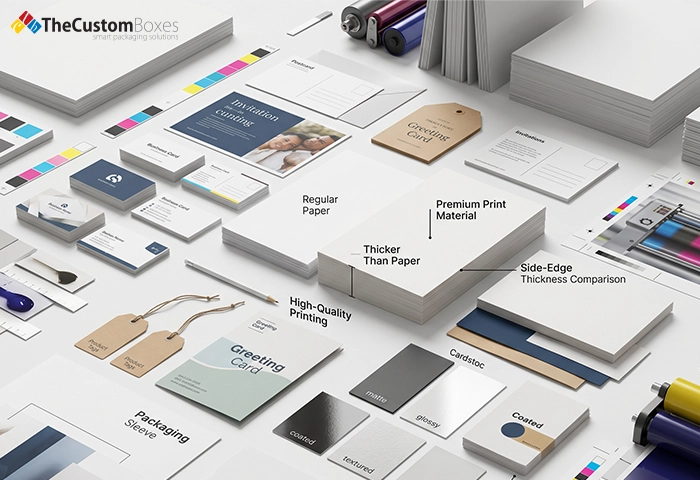
In printing, cardstock means thick and durable paper. It handles ink better than normal paper. It also gives sharp colours and clear text. Many printers support cardstock printing for business and creative work.
It comes in many thickness levels.
- Thin stock bends easily.
- Thick stock feels hard and solid.
This strength helps printed items last longer.
What is Cardstock in Packaging and Design?
Packaging brands use these for light product boxes. Designers also use it for stylish prints. It gives products a rich and neat look. Many brands choose print in cardstock for better presentation.
Designers enjoy its smooth surface. It supports bright colours and detailed artwork. This makes products look more premium in stores.
Why is Cardstock Preferred Over Standard Paper?
Standard paper tears quickly. Cardstock stays stronger for longer periods. It also feels more professional. Many brands trust it for product packaging and business cards.
Customers often notice quality packaging first. Thick paper leaves a better impression. This is why businesses use them more often today.
Understanding Cardstock Thickness and Weight
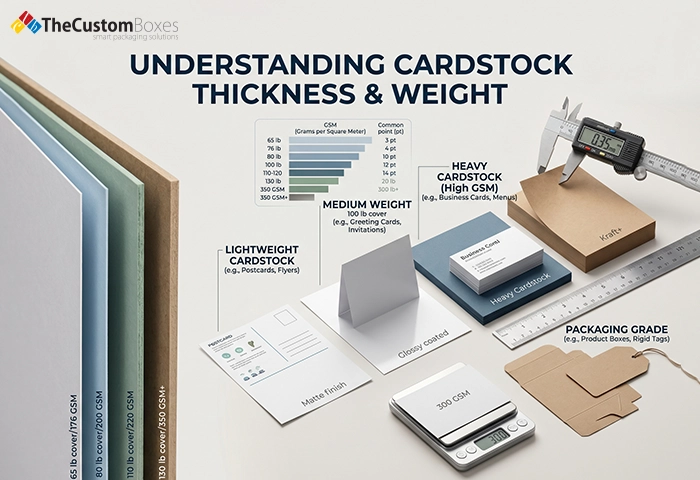
Their thickness matters a lot. Thick stock feels heavier and stronger. Thin stock feels lighter and softer. People choose thickness based on their needs.
In Australia, paper weight is often expressed in GSM. GSM means grams per square metre. A higher number means thicker paper.
GSM Explained (Grams per Square Metre)
GSM shows the weight of paper. Low GSM means lighter paper. High GSM means thicker and stronger paper. Most businesses check GSM before printing.
It feels smooth and strong. Some luxury cards use even thicker paper.
Common Cardstock Weights in Australia
Australia uses many cardstock weights. Each weight suits different uses.
- Lighter stock works for flyers and tags.
- Heavy stock suits packaging and premium cards.
- Many printers use 300gsm cardstock for business cards and product boxes. This weight gives a solid feel.
Some users also search for 100 lb cardstock gsm to compare paper thickness globally.
Lightweight vs Heavyweight Cardstock
Lightweight stock bends more easily. It works well for simple prints. Heavyweight stock feels stronger and lasts longer. Brands often use heavyweight paper for premium packaging.
Thick paper also protects products better. This helps small boxes and printed items stay safe during handling.
Types of Cardstock
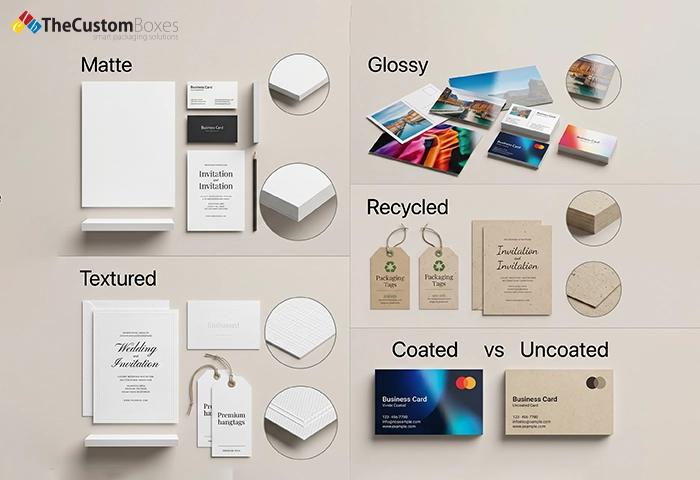
Many kinds of cardstock exist today. Each type has its own look and feel. Some feel smooth. Others feel textured or glossy.
- Matte Cardstock
Matte Cardstock has a soft finish. It does not shine under light. Many brands use it for elegant packaging and cards. It also feels easy to hold.
Designers enjoy matte stock because colours look calm and clean. Many wedding invitations use this finish today.
- Glossy Cardstock
Glossy stock has a shiny surface. Colours look bright and bold on it. Shops often use it for promotional cards and product prints.
Glossy paper also protects ink better. This makes designs stay fresh longer.
- Recycled Cardstock
Recycled stock helps reduce waste. It uses old paper materials again. Many Australian brands now choose eco-friendly packaging materials.
Customers also support brands with greener choices. Recycled stock gives packaging a natural and modern feel.
- Textured Cardstock
Textured stock feels special in the hand. Some designs feel rough. Others feel patterned or soft. Luxury brands often use textured paper for premium prints.
This paper also adds a creative touch to greeting cards.
- Coated vs Uncoated Cardstock
Coated stock has a smooth layer on top. It gives brighter colours and sharper images. Uncoated stock feels natural and softer.
Many businesses choose coated stock for product packaging. Uncoated paper suits handmade and natural designs better.
Common Uses of Cardstock in Australia
Australians use cardstock in many ways.
- Business owners print company cards on thick paper.
- Packaging brands create strong product boxes.
- Families use it for birthday cards and wedding invites.
- Retail shops also print product tags using cardstock.
- Many people choose A4 cardstock for home and office printing.
- Others use A5 cardstock for invitations and greeting cards.
- Small prints often use A6 cardstock because it feels compact and neat.
Cardstock vs Paper vs Cardboard
|
Material |
Thickness |
Flexibility |
Durability |
|
Paper |
Thin |
Very Flexible |
Low |
|
Cardstock |
Medium Thick |
Moderate |
Strong |
|
Cardboard |
Very Thick |
Less Flexible |
Very Strong |
Cardstock sits between paper and cardboard. It feels stronger than office paper. Yet it stays lighter than cardboard.
Benefits of Cardstock
Cardstock has many benefits.
- Resisting to be strong and durable, for use during the day.
- Provides products with a neat, tidy appearance.
- Prints well with lots of styles.
- Good for packaging.
- Comes in both finishing mate and glossy.
Limitations of Cardstock
Cardstock still has some limits.
- It does not hold very heavy items well.
- Thick paper also costs more than regular paper.
- Some types bend less easily.
This makes folding harder in certain designs. Yet many brands still prefer it because of its strong look and smooth finish.
Is Cardstock Environmentally Friendly in Australia?
Many Australian companies now use eco-friendly cardstock. Recycled materials help reduce paper waste. Mostly, these products also support recycling systems. Many printers now follow safer printing methods, too. These steps help brands lower environmental harm while keeping packaging attractive and strong.
How to Choose the Right Cardstock
Choosing the right stock depends on your project. Some jobs need thick paper. Others need lighter paper. Finish and texture also matter a lot.
-
Based on Printing Needs
Bright designs work best on glossy stock. Simple and elegant prints suit matte stock better. Printers also check paper thickness before starting work.
Some home printers support lighter stock only. Professional printers handle heavier materials more easily.
-
Based on Product Type
Greeting cards need medium thickness. Packaging boxes need stronger stock. Product tags need lighter but durable paper.
Businesses choose different stocks for different goals. This helps products look better and stay protected.
-
Based on Thickness and Finish
Thick stock feels premium and strong. Thin stock costs less and bends more easily. Matte finishes look soft and classy. Glossy finishes look bright and bold.
Many brands test samples first before final printing. This helps avoid printing mistakes later.
Cardstock Sizes and Formats in Australia
Australia uses many standard paper sizes. These sizes help printers and designers work easily.
|
Size |
Common Use |
|
A4 |
Office printing and flyers |
|
A5 |
Invitations and greeting cards |
|
A6 |
Small cards and tags |
|
A3 |
Posters and artwork |
Many people use A3 cardstock for posters and large prints. Businesses also order custom sizes for special packaging needs.
When Should You Use Cardstock?
Cardstock works best for packaging and branding. Businesses use it for product boxes and hanging tags. Shops also print menus and display cards on thick paper.
It's a favourite of retail brands for promotions because of its neatness and professional appearance. Strong paper helps products look more valuable in stores.
Conclusion
Cardstock is strong, stylish, and has good printing quality. It's great for packaging and marketing. Due to the variety of customisation, businesses can choose the finest option to stand out best in the market. High-quality paper can make a product look more expensive.
Nowadays, many Australian businesses rely on quality packaging. The Custom Boxes Australia offers brands quality packaging. Good packaging attracts customers and boosts confidence. Good packaging also enhances your business's reputation in the market.
Frequently Asked Questions:
What is cardstock used for?
People use cardstock for packaging and invitations.
What exactly is cardstock?
Cardstock is heavier and stylish, ideal for packaging and high-quality printing.
Is cardstock the same as A4 paper?
No. A4 describes paper size only. Cardstock describes paper thickness.
Can a regular printer print on cardstock?
Some printers support cardstock printing. Others only handle thin paper.
What weight of cardstock is best?
The best weight depends on the project type and printing needs.
How thick is cardstock compared to paper?
Cardstock feels much thicker and stronger than normal office paper.
What is GSM in cardstock?
GSM means grams per square metre. It measures paper weight and thickness.
Is cardstock the same as cardboard?
No. Cardstock is thinner than cardboard.
Is cardstock suitable for packaging?
Yes. Many brands use it for light and stylish packaging solutions.
Is cardstock environmentally friendly?
Many cardstock products use recycled materials and support recycling systems.
Premier American Manufacturer of Packaging and Custom Boxes
Experience the ease of creating and ordering custom boxes and affordable packaging online with the Custom Boxes. Contact us today to discover how we can turn your packaging vision into a reality.

Payment & Security
 No Hidden Charges
 Money Back Guarantee
thecustomboxes.com.au online guarantee the privacy of all the customers and never share their personal information with third parties. For more details read our Privacy Policy.


